How to Meal-Plan for One Without Eating the Same Thing
Plan ingredients to repeat, not finished meals
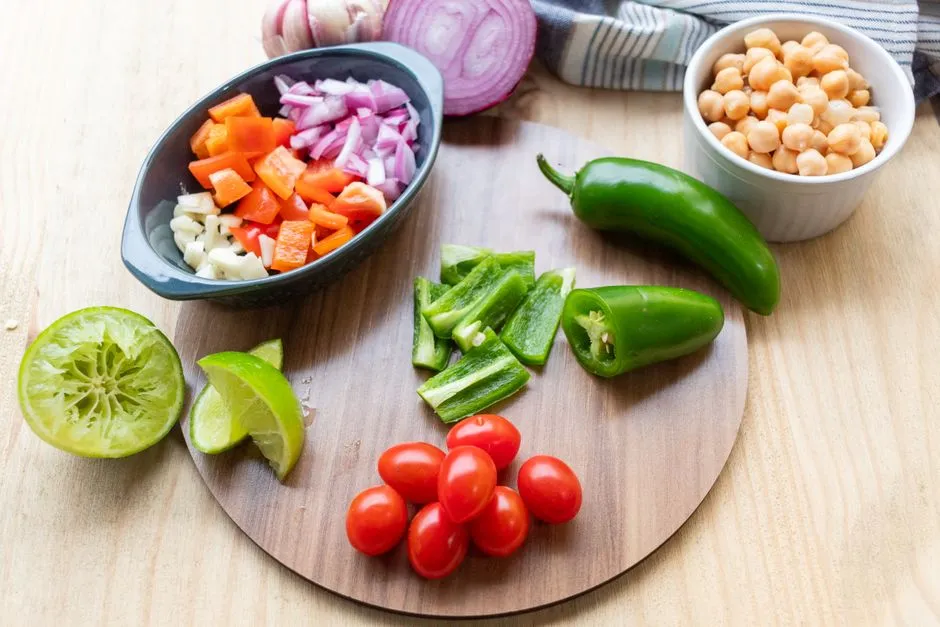
Meal planning for one becomes monotonous when a recipe creates six identical dinners. Instead, choose a few ingredients that can move through different formats. Roasted vegetables might appear with a grain, in a filled flatbread, and beside eggs; cooked beans might become soup, a bowl, and a spread only when prepared and stored safely for those uses.
This is planning structure, not a tested recipe or dietary prescription. Follow exact labels and recipes plus current official guidance for storage, cooking, cooling, thawing, and reheating. Adapt for allergies, health needs, budget, culture, and appetite.
Check the week before the food
Mark evenings at home, late days, social plans, likely takeaway, and nights when cooking capacity will be low. Plan only the meals you realistically need. Leaving one flexible slot prevents Thursday from becoming a custody dispute among three ripe vegetables.
Check pantry, refrigerator, and freezer, including quantities and condition. Do not taste questionable food to test safety. Discard spoiled, damaged, contaminated, or uncertain items according to current local guidance.
Choose two anchors and two fast meals
Pick two cooked components or dishes you actually enjoy, each in a quantity you can portion safely. Then choose two fast options based on stable ingredients: eggs and toast, noodles and frozen vegetables, a suitable sandwich, soup, or another combination that meets your needs.
Add breakfast, snacks, fruit, beverages, and dietary essentials to the plan instead of assuming dinner is the only meal with administrative rights.
Browse Solo Kitchen for more small-household methods.
Build a crossover map
Write each main ingredient and two possible uses:
- roasted vegetables → grain bowl / filled wrap;
- cooked grain → side dish / vegetable bowl;
- herb sauce → dressing / sandwich spread;
- sound fresh greens → salad / cooked addition.
Only cross ingredients into uses that suit their safe storage history and the recipe. Keep raw and ready-to-eat foods separated, check allergens and cross-contact, and never extend storage because the next meal has a charming name.
Portion early
Once food is prepared, separate what you will eat now from later portions using clean suitable containers and safe cooling practices. Label contents and date. Freeze appropriate portions early when you will not use them safely in time, following tested product or recipe guidance.
Reheat only the portion needed and follow current official advice for safe temperature and handling. Avoid repeated cycles of warming and cooling the entire batch.
Shop in usable quantities
Choose package sizes based on the plan, storage, and real consumption, not unit price alone. A larger pack may cost less per gram but more per gram actually eaten. Frozen, canned, or shelf-stable forms can provide flexible portions when suitable.
Buy one pleasure item deliberately. A plan that removes every favorite food tends to be replaced by emergency snacks wearing the price tag of rebellion.
Keep a swap list
For each planned dinner, write one alternative using the same safe ingredients. If Tuesday’s bowl sounds unappealing, turn its components into a plate, wrap, soup, or egg dish where appropriate. Changing texture, sauce, or assembly can create variety without cooking an entirely new batch.
Do not force a meal when its ingredients are spoiled or storage history is uncertain. Safety is not food-waste failure.
Review quantities, not discipline
At week’s end, note which portions were too large, which ingredients repeated well, and what remained. Adjust the next shopping list. Personal appetite and schedules vary, so your own record is more useful than a universal “servings for one” formula.
Use the living-alone check-in plan for communication structure, then let food remain one of the pleasant parts. Cooking for one is not miniature catering. It is dinner with unusually efficient voting.